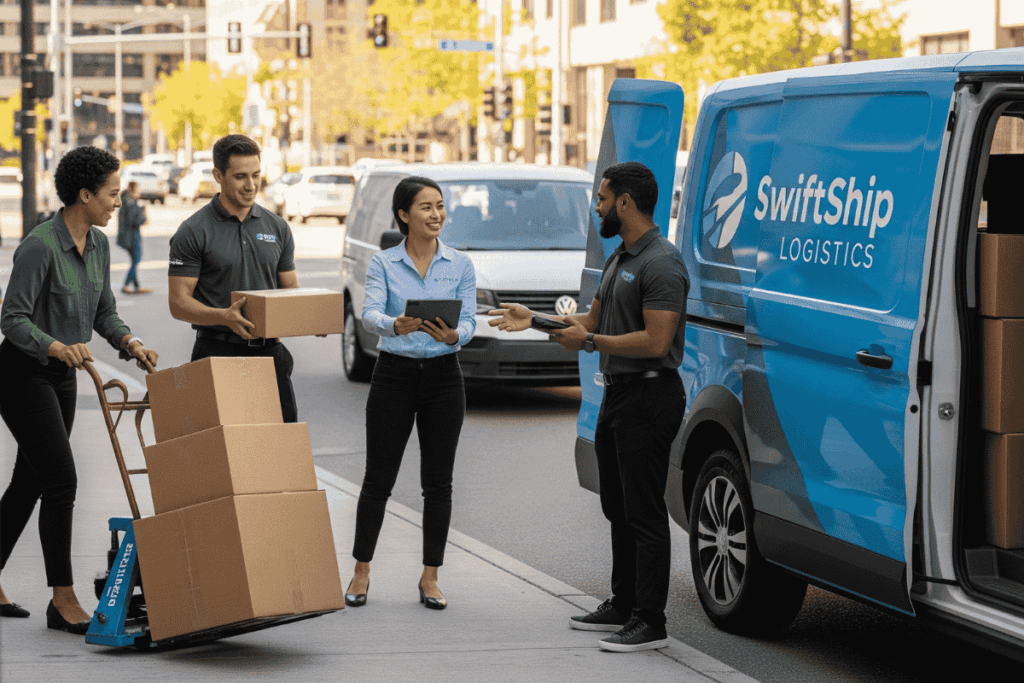
No one can argue that same-day delivery has gone from novelty to necessity. Across Australia’s major cities, metro deliveries have surged in the past two years.
Everything is changing, from how goods are moving to how fast customers now expect their deliveries to arrive.
There has also been a massive shift for B2B companies, since shoppers now want visibility, transparency, dependability, and speed. And the companies not optimising their delivery service logistics will struggle to keep up. This is where startups are stepping in to close the gap.
This new wave of logistics companies has entered the chat and they’re using tech to make routing smarter. The result is fewer delays and an overall better experience for customers who rely on consistency, not luck.
Why B2B Same-Day Delivery Needed a Rethink
Old-school courier systems were designed for very slow, very predictable patterns. It usually went something like: one depot, one batch, one next-day route.
That worked when delivery windows were wide and customer expectations were low. Sure. But businesses want updates in real time now.
They want to know when a part leaves the warehouse, who’s bringing it, and how long it’ll take to arrive. The legacy systems behind those promises simply weren’t built for that level of visibility.
That disconnect created space for modern logistics startups to move in. These are companies that could adapt quickly to make same-day delivery profitable instead of painful.
The Same-Day Delivery Startup Shift
It’s been fascinating to observe. The startup shift goes like this:
1. Smarter routing with AI and live data
Startups aren’t guessing when they plan routes. They’re feeding massive amounts of data into algorithms that predict demand and plan routes on the fly.

So when traffic builds or there’s some sort of delay along the delivery chain, the software recalculates in seconds instead of hours.
In short: AI routing reduces kilometres while also keeping vehicles full and drivers productive. Oh, and support teams are free from chaos now!
2. Real-time visibility for everyone
Transparency has become the minimum standard. Everything from live GPS tracking, delivery photos, and instant status updates gives businesses control over their own deliveries.
And the plus side of this type of two-way communication is that drivers and dispatchers can now stay aligned, while customers are informed of any urgent changes.
3. Localised fulfilment
Instead of pushing every order through one central depot, delivery startups are placing inventory closer to where demand lives: inside small, city-based fulfilment hubs.
Electric vans and e-cargo bikes also easily handle dense city routes without the usual fuel spend or carbon output. And it’s sustainable too! (point 5 below).
ALSO READ: Same-Day vs Next-Day vs Express Delivery in Australia: What Customers Really Want
4. Service models that actually fit
There’s a flexibility to it, since modern courier platforms can now let businesses set their own rules all from one system. For example: Urgent drop-offs, planned deliveries, after-hours requests, etc.
You can scale up or down as needed without managing your own drivers, insurance, or maintenance.
5. Sustainability by design
The industry has long since moved on from treating sustainability like an add-on. These days, businesses think of route optimisation and EV fleets as standard operating practice, not as marketing gimmicks.
It’s also good for business since efficient deliveries mean fewer kilometres per trip, which in turn means a much smaller carbon footprint.
What Australian B2B Teams Are Seeing
Businesses that have adopted tech-first courier models are reporting measurable improvements.
Deliveries arrive closer to the promised time. Support tickets about missing parcels have dropped. Route changes that used to take hours now take minutes.

That means more time for customer service, sales, and actual growth instead of firefighting broken logistics or old-school maps printed on paper.
What to Look for in a Same-Day Delivery Partner
The right delivery partner will be transparent and reliable. They’ll be easy to work with, and there’ll be no hidden fees.
When choosing a delivery partner, check if they:
- Offer flexible service windows (example: 3-hour delivery, weekend options, etc)
- Provide live tracking and proof-of-delivery photos. (this should be non-negotiable)
- Integrate with your systems, like Shopify or WooCommerce.
- Publish clear pricing without surprise surcharges.
- Use EVs or bikes wherever possible to reduce emissions.
And if you need to move freight across states, check that same-day next-flight options are available. Not every “express” courier can handle that.
Zoom2u: Where Speed Meets Reliability
Zoom2u is Australia’s highest-rated courier platform on ProductReview, for three years in a row, and the fourth year (2025) loading. It connects businesses to a trusted network of local drivers who handle real-time urgent deliveries.

And there are plenty of options. You can choose from 3-hour delivery, same-day delivery; even after-hours or over the weekend. All deliveries are trackable and transparent.
The platform runs across Sydney, Melbourne, Brisbane, Perth, and many regional areas, with interstate next-flight deliveries for critical jobs.
Ready to Deliver Smarter?
Fast delivery is what will grab attention, and reliable service will have customers coming back for repeat business.
If you’re ready to take your B2B shipping up a level, start with a platform that’s built for speed and visibility. Schedule a delivery with Zoom2u and get a courier on the road within hours.
Or, if you’re running your own fleet, you can still benefit from Zoom2u’s tech by using Locate2u to plan routes and track drivers, all in real time.